
A brown patch, a drip or a bulge overhead
Dripping and Stained Ceilings in Cartersville, GA
A brown patch on a Cartersville-area ceiling marks where water surfaced, and the source may sit in another room entirely. Talk it through: call (678) 288-4775 and name the room below the stain and whatever sits above it.
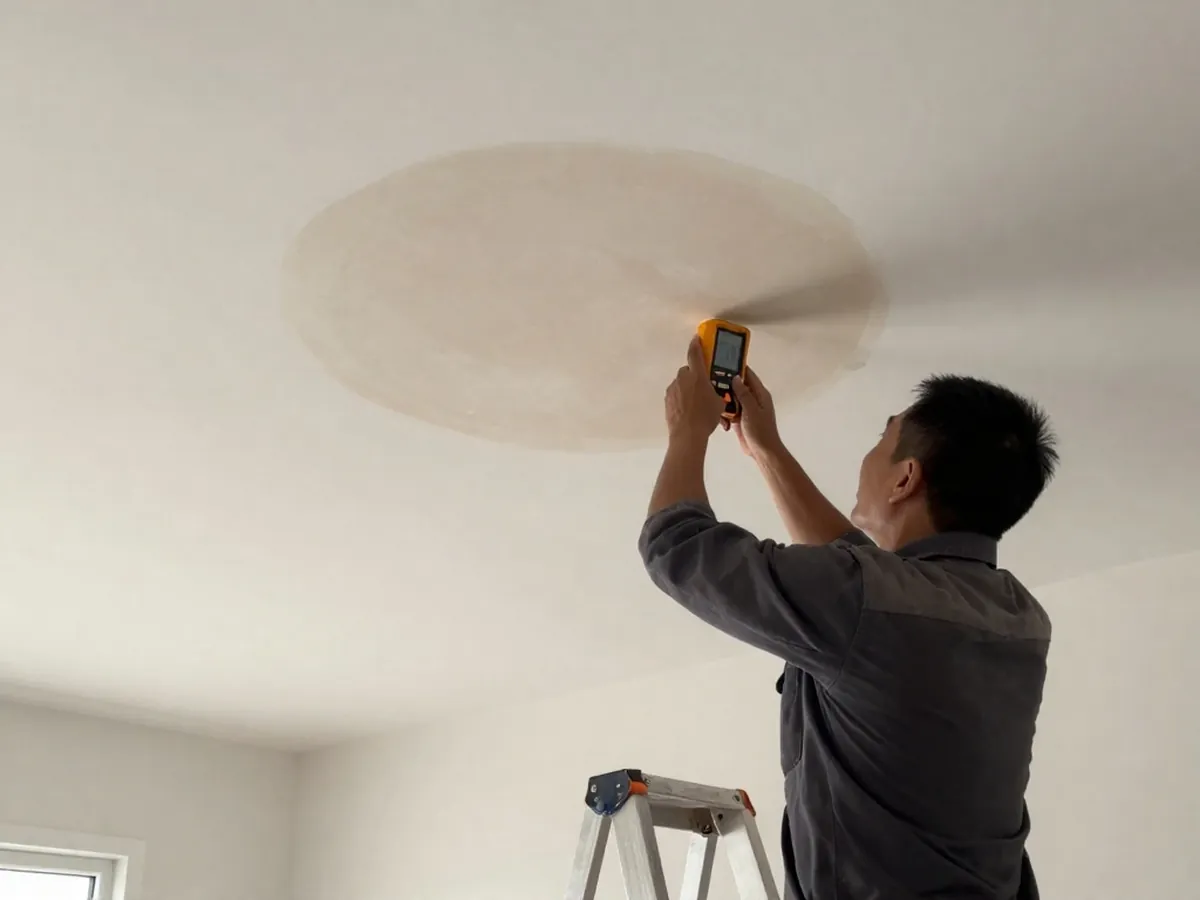
Leave and call out first if
A sagging, bulging or dripping ceiling: keep the household out of that room until it is dealt with, and 911 is the call if it comes down.
Water around a ceiling light, fan or smoke detector: touch no switch, stay on dry ground, and leave and use 911 at a spark or burning smell.
A gas smell in a room with a wet ceiling: leave first, then phone 911 or your gas company from outside.
A ladder, a wet roof or high wind: do not climb up to look. Roof work waits for dry weather and the right gear.
Four habits that make a ceiling stain worse
Poking it to see how bad it is. A sagging ceiling is heavy and dangerous, says the Red Cross, so look from the side and stay out from under it.
Painting over it. Fresh paint covers the mark while the wet stays put. EPA wants water-damaged areas dry within 24 to 48 hours, with humidity below 60 percent.
Waiting for the next rain to see where it comes from. A stain that comes and goes with weather points to the roof; one that grows on a dry day points to plumbing. Dated photographs settle the argument.
Climbing up to inspect a wet roof. Ladders and wet shingles are a fall risk, and the photographs can be taken from the ground.
Around Cartersville
The Red Cross treats a wet ceiling that sags as heavy and dangerous. That leaves this page with one line about bringing it down: leave it to someone with the gear and a plan.
EPA's list of porous materials that may not survive a soaking starts with carpet and ceiling tile. Whether your ceiling is tile or drywall is worth saying on the call.
Storm months and the stain that follows
The Weather Service's severe weather page names March through May as tornado season and July as the peak month for damaging wind. It does not single out Bartow County.
If a stain turns up after one of those stretches, tell the contractor the date of the weather and the room under it. A stain that appears with no storm points the question toward pipes and appliances instead.
On the visit itself
Call (678) 288-4775, say which room sits under the stain and what is above it, and ask the contractor for a visit.
A look at the ceiling from below, with a meter, to separate the wet from the dry.
A check of what lies above: a bathroom, a washer, a roofline or an attic.
A view on whether the drywall is too wet and heavy to stay, and how it can come down safely.
A drying plan for the ceiling, the insulation above it and the walls beside it.
A talk about repair or replacement, including the paint that goes on afterward.
Reading a ceiling stain
Does the ceiling sag, bulge or drip right now?
Treat it as a stop-now item: out of the room, no poking.
Is a bathroom, laundry or kitchen directly above?
Look there first. A supply line, a drain or an appliance may be the source. See appliance and heater leaks.
Did the stain appear after rain or wind?
Think roof, flashing or gutters. See storm rain through the roof.
Is the stain dry and the same size as last week?
Draw a dated line along its edge and look again after the next storm.
Has it grown since you first saw it?
The source is still active. Photograph it with the date and phone the contractor.
Ceiling materials, as the pages describe them
- Drywall ceilingThe Red Cross treats a sagging wet ceiling as heavy and dangerous; the contractor decides whether it stays
- Ceiling tileEPA says ceiling tile may have to be thrown away once it stays wet
- Insulation aboveThe pages give no rule; the contractor checks it once the ceiling is open
- A small dry stainA dry patch that is not spreading is a smaller worry, though the source still needs finding
Where an overhead stain may start
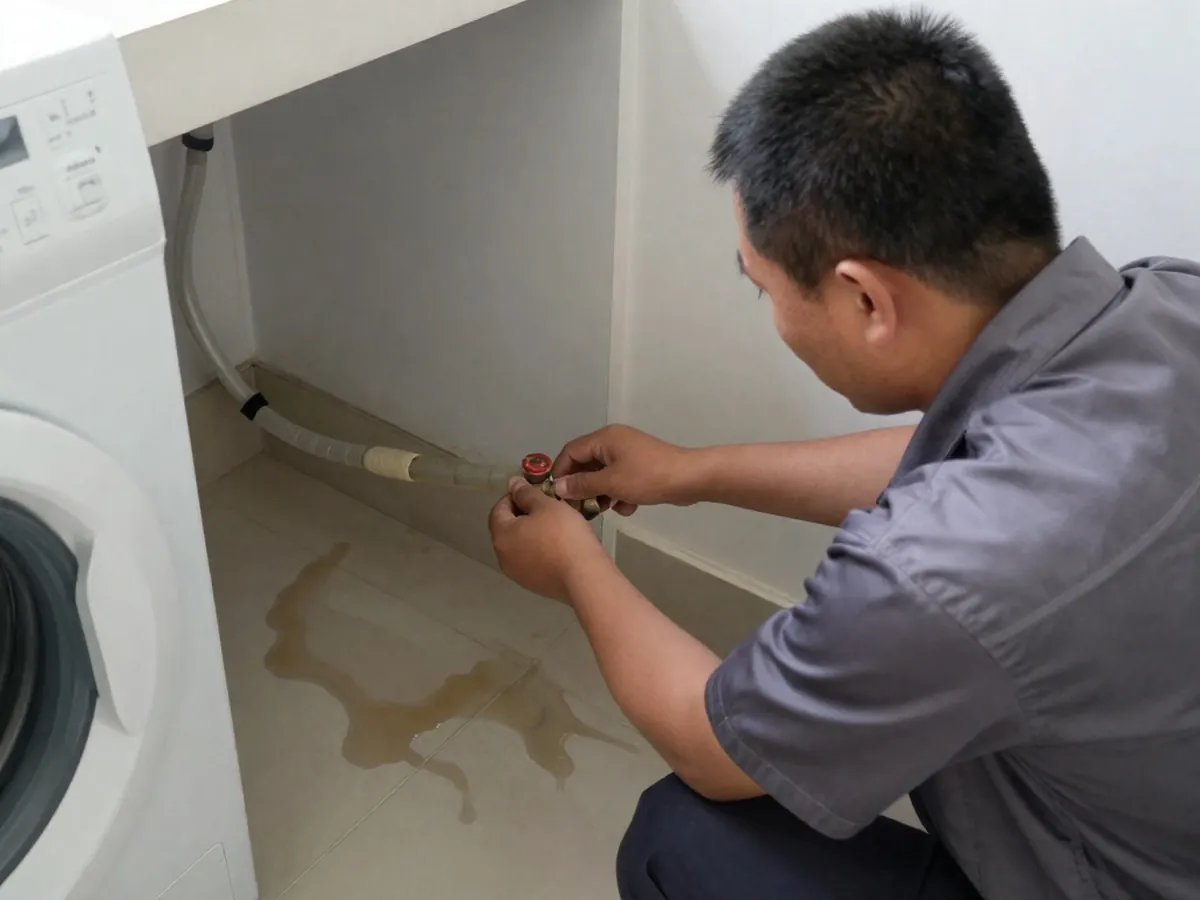 Appliance and water heater leaksWhen a machine sits in the room above
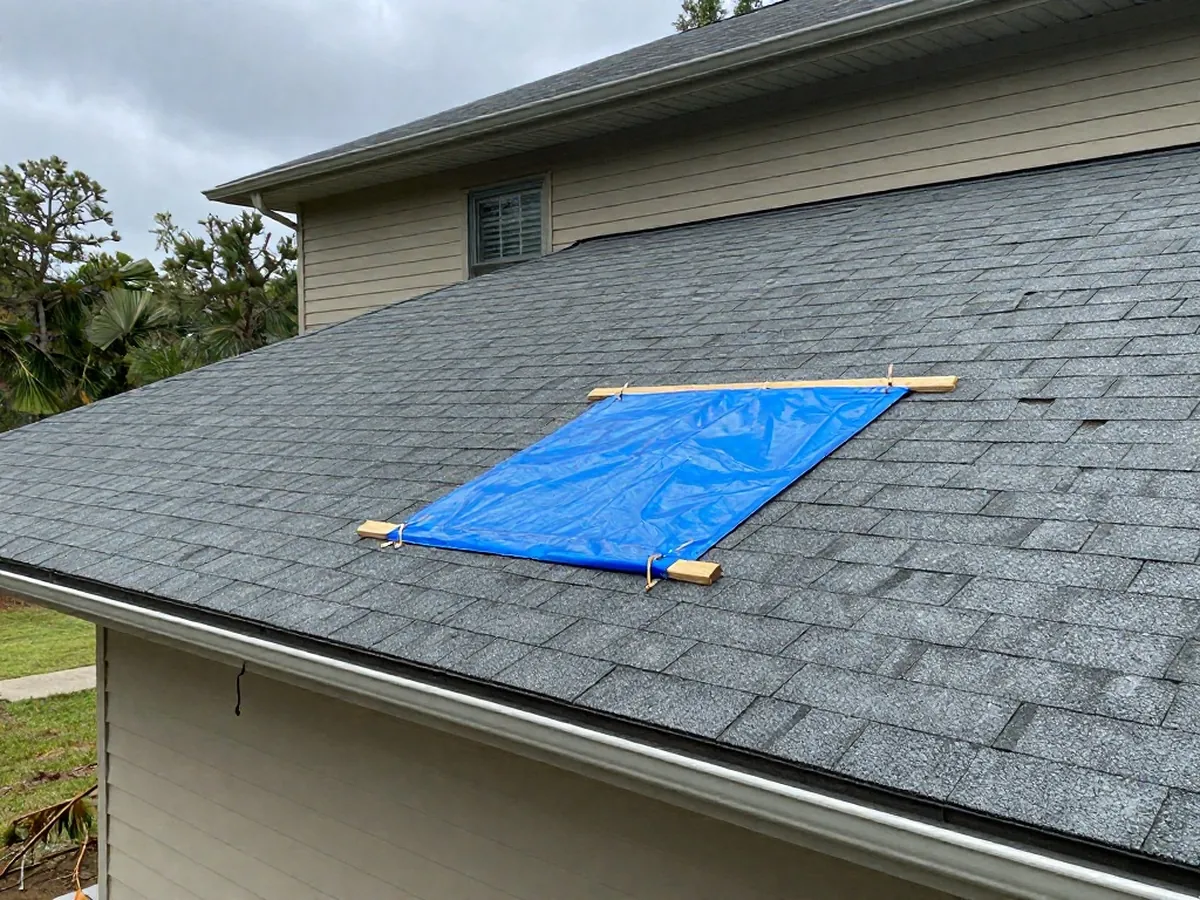 Storm rain through the roofWhen the stain followed weather
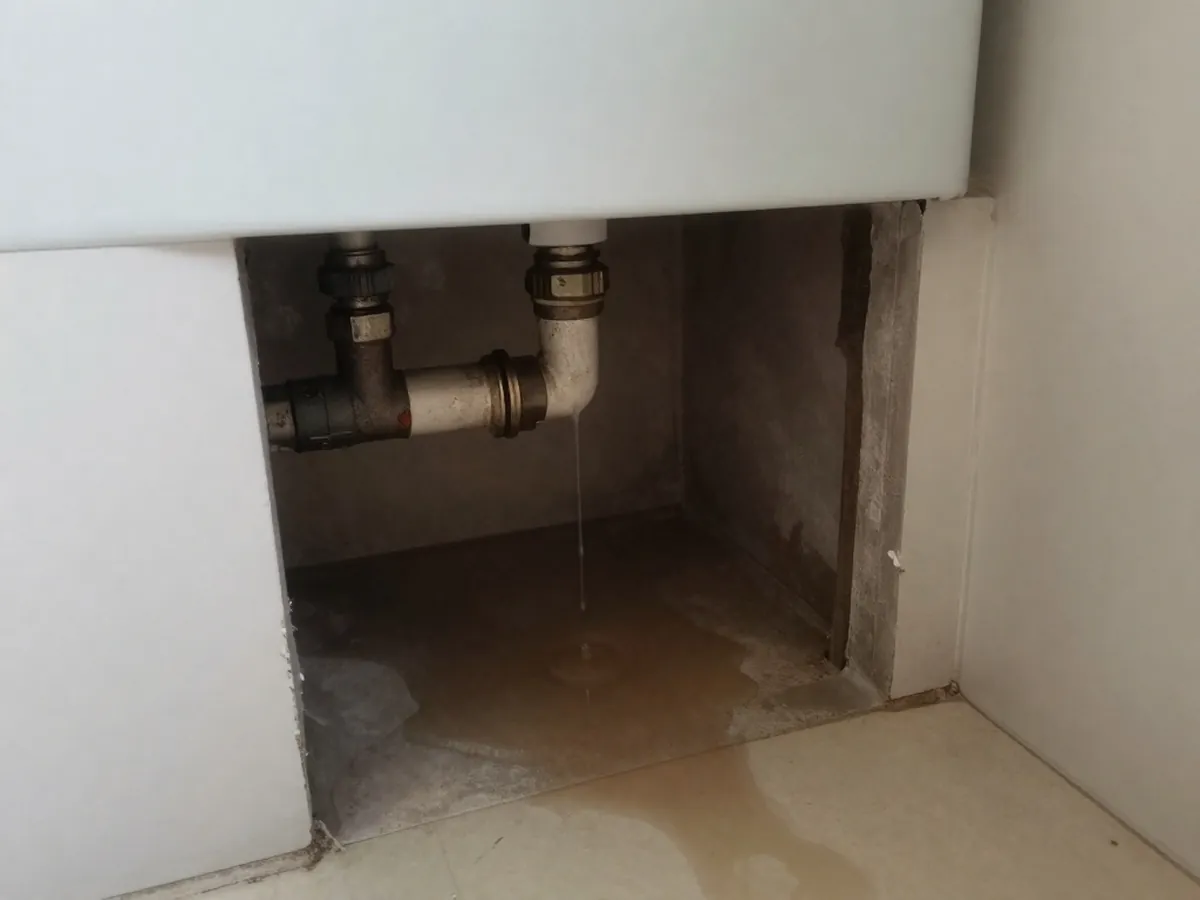 Split pipes and supply-line floodsWhen a pipe runs through the floor above
A note before anyone starts cutting
Before the ceiling comes down
Taking a ceiling down is demolition on a small scale. Bartow County's building inspections page lists the 2024 plumbing, 2023 electrical and 2024 mechanical codes it uses and says nothing about repair permits. Its office takes calls at 470-653-9134. The hiring questions page has every place's desk.